


what compressor size do i need?
Choosing the right air compressor size is crucial for ensuring efficient and effective operation. The size of the compressor impacts its performance, reliability, and suitability for specific applications.
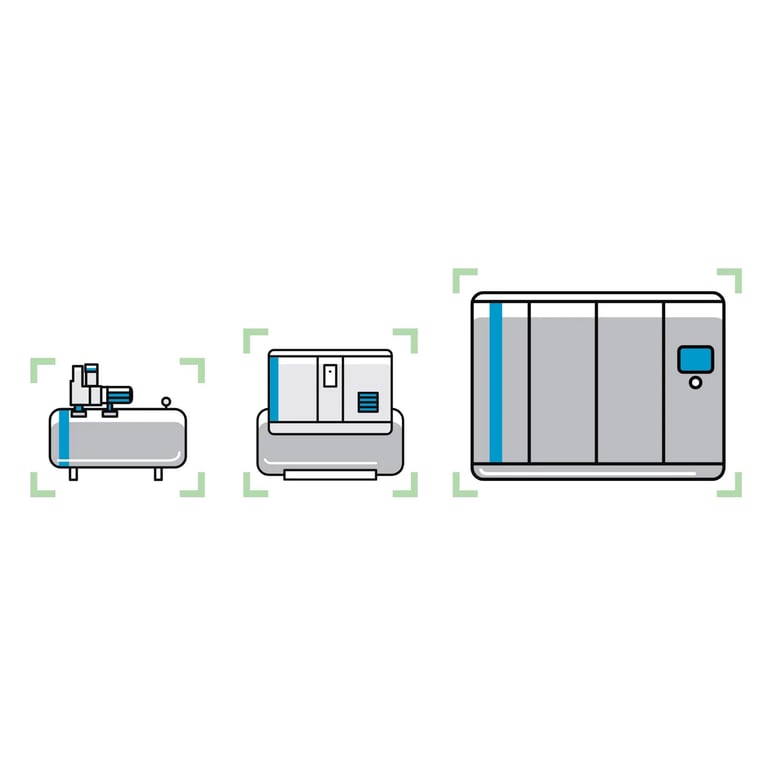
HOW TO PICK AN INDUSTRIAL COMPRESSOR
How to Size an Air Compressor (Complete Guide for Accurate CFM & PSI Selection)
Choosing the right air compressor size is crucial for ensuring efficient and effective operation. The size of the compressor impacts its performance, reliability, and suitability for specific applications. Key factors to consider include airflow, pressure, and the specific requirements of your tools or machinery.
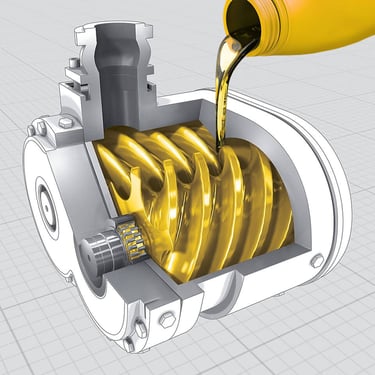
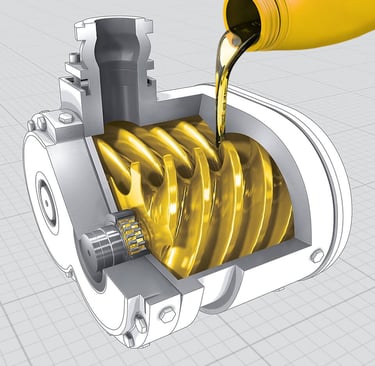
How to select the right compressor oil for your application?
1. Identifying the Correct Air Compressor Size
Sizing an air compressor correctly is essential for ensuring efficiency, reliability, and long-term performance in any compressed air system. The process involves several key steps:
Identify Your Tools and Air Requirements
Create a list of all tools and equipment that will use compressed air.
Each tool has specific CFM (cubic feet per minute) and PSI (pounds per square inch) requirements.
These numbers form the foundation of proper air compressor sizing.
Consider the Duty Cycle
Evaluate how often and how long each tool will operate.
Tools with continuous or heavy-duty use require an industrial air compressor with a higher duty cycle capability to avoid overheating and premature wear.
Plan for Future Expansion
If you expect to add more tools, increase production, or expand your facility, choose a compressor with extra capacity.
This prevents outgrowing the system and reduces long-term costs.
2. Compressor Selection Criteria
Airflow (CFM)
Airflow represents the amount of usable air the compressor can deliver per minute.
Understanding your total CFM requirements is critical, especially when running multiple tools simultaneously.
Pressure (PSI)
Different applications require different PSI levels.
High-pressure tools (e.g., impact wrenches, sandblasters) require more PSI than light-duty applications like airbrushing or spray painting.
Application Type
Air quality and pressure loss must be considered, especially when using:
Air dryers
Filters
Drains
Long piping systems
Some applications may require oil-free air compressors, high-pressure units, or rotary screw technology.
Power (HP/kW)
Horsepower is not the primary factor when sizing a compressor.
First determine the correct CFM and PSI values, then match the compressor’s power rating (HP/kW) accordingly.
3. Understanding Capacity vs. Flow Rate
Tank Capacity
Capacity refers to the air volume stored inside the tank (gallons or liters).
A larger tank allows longer tool operation before the compressor cycles on again.
Flow Rate
Flow rate determines how quickly the compressor can produce air. It may be measured in:
CFM
L/s
m³/h
Both tank size and flow rate must match the demands of your tools and workflow.
The Most Accurate Way to Measure Requirements
Although tool datasheets provide useful values, the most accurate assessment comes from a compressed air audit performed by a qualified compressed air professional.
4. Determining the Correct Airflow (FAD)
Airflow, or Free Air Delivery (FAD), represents the effective amount of air a compressor can supply at a given pressure.
Why FAD Matters
Too little airflow = slow performance, pressure drops, overheating
Too much airflow = wasted energy, higher purchase cost, reduced efficiency
For example, a small compressor with a large tank can handle short, intermittent tasks.
However, continuous tasks—like operating pneumatic tools or production machinery—require a compressor with higher CFM output.
Rotary screw air compressors typically deliver more airflow per kW/HP compared to piston compressors, making them ideal for industrial environments.
5. Summary of Proper Air Compressor Sizing
Pressure (PSI)
Determined by the tool or process requirements.
Flow (CFM)
Depends on:
Number of tools
Operating frequency
Simultaneous usage
Undersized Compressor
Pressure drops
Incomplete tasks
Overheating and premature failure
Oversized Compressor
Higher energy consumption
Potential mechanical problems
Increased operational costs
To ensure accurate sizing for new or existing systems, always consult a compressed air professional for an onsite audit.
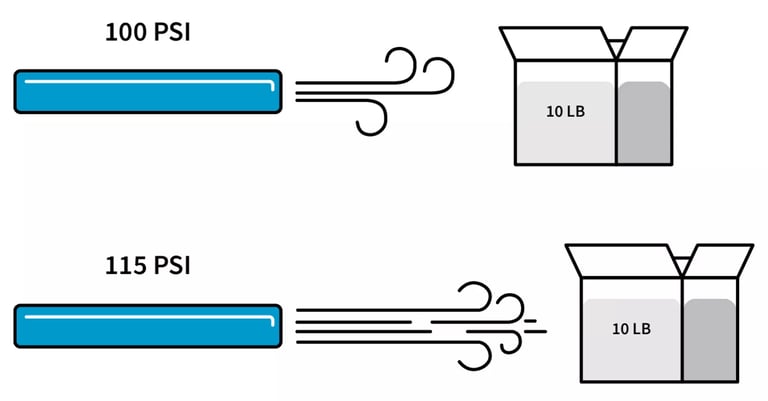
6. How Much Pressure Do You Need?
Pressure determines the force required to perform work.
Examples:
100 PSI may be insufficient for a certain task
115 PSI may be exactly what is needed
Understanding PSI vs. PSIG vs. PSIA ensures correct sizing and prevents performance issues.
If your process requires 115 PSI, choosing a compressor that provides less will result in failure to complete the job.
7. Common Applications and Their CFM/PSI Requirements
Applications — CFM — PSI
Home Use: 1–2 CFM — 70–90 PSI
Spray Gun: 4–8 CFM — 30–50 PSI
Spray Painting: 4–8 CFM — 30–50 PSI
Sandblasting: 6–25 CFM — 70–90 PSI
Various Power Tools: 3–10 CFM — 90–120 PSI
HVAC Systems: 6–12 CFM — 80–100 PSI
Refrigeration: 3–5 CFM — 60–80 PSI
Automotive Assembly: 8–15 CFM — 90–120 PSI
Food & Beverage Packaging: 4–10 CFM — 70–90 PSI
Air Tools:
Airbrush: 0.5–1.5 CFM — 20–30 PSI
Nail Gun: 1–2 CFM — 70–90 PSI
Dental Tools: 2–4 CFM — 80–100 PSI
Tire Inflator: 2–3 CFM — 100–150 PSI
Impact Wrench: 3–5 CFM — 90–100 PSI
Air Ratchet: 3–5 CFM — 90–100 PSI
Hammer Drill: 3–6 CFM — 90–120 PSI
Paint Sprayer: 6–7 CFM — 30–50 PSI
Grinder: 5–8 CFM — 90–120 PSI
8. Choosing the Right Air Compressor Based on CFM in Saudi Arabia
In Saudi Arabia’s industrial environment—oil & gas, manufacturing, workshops, construction, HVAC, and F&B—selecting the correct CFM is essential for productivity and energy efficiency.
Understanding your CFM and PSI requirements ensures:
Lower energy consumption
Stable operation
Longer compressor life
Reduced downtime
Lower total cost of ownership
Our Services
Expert maintenance for compressors and vacuum pumps.
© 2026. All rights reserved.
contact info


important Links