


Oil-Injected vs Oil-Free Air Compressors
When selecting the right air compressor for industrial or manufacturing applications, one of the most important decisions is choosing between an oil-injected air compressor and an oil-free air compressor. This choice directly affects compressed air quality, system reliability, maintenance cost, and compliance with ISO 8573-1 air purity standards.
HOW TO PICK AN INDUSTRIAL COMPRESSOR
Oil-Injected vs Oil-Free Air Compressors: Benefits, Applications, and Air Purity Standards
When selecting the right air compressor for industrial or manufacturing applications, one of the most important decisions is choosing between an oil-injected air compressor and an oil-free air compressor. This choice directly affects compressed air quality, system reliability, maintenance cost, and compliance with ISO 8573-1 air purity standards.
Understanding when to use each type is essential for ensuring safe, efficient, and contamination-free compressed air delivery.
How to Pick the right Industrial Air Compressor
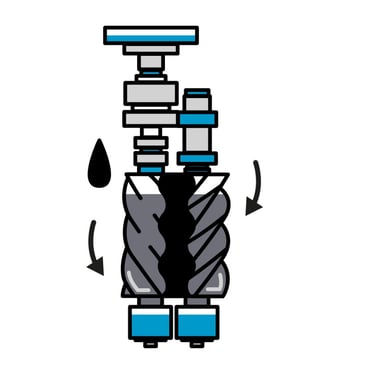
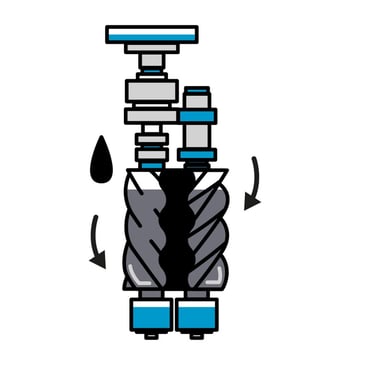
Advantages of an Oil-Injected Air Compressor
Oil-injected compressors are widely used across industrial plants, workshops, automotive facilities, and general manufacturing. In these machines, oil plays several critical roles:
Lubrication of moving parts
Sealing between rotors (in rotary screw compressors)
Cooling during the compression process
Because of this design, a very small amount of oil carryover may be present in the compressed air. In most industrial applications, this is not a concern and can be effectively treated using proper compressed air filtration systems.
Air Treatment with Oil-Injected Systems
By installing:
Coalescing filters (0.01 micron)
Activated carbon filters
Air dryers and line filters
It is possible to achieve ISO 8573-1 Class 1 air quality, which is sufficient for the majority of industrial uses.
Proper filter maintenance and periodic replacement are essential to maintain this level of air purity and ensure optimal compressor performance.
When to Use an Oil-Free Air Compressor
In certain industries, even the smallest trace of oil contamination can cause serious consequences. Examples include:
Food and beverage production
Pharmaceutical and medical facilities
Electronics and semiconductor manufacturing
Chemical processing
Laboratories and clean rooms
In these environments, an oil-free compressor system is not optional — it is mandatory.
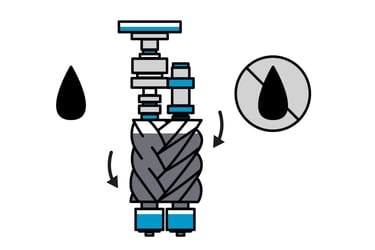
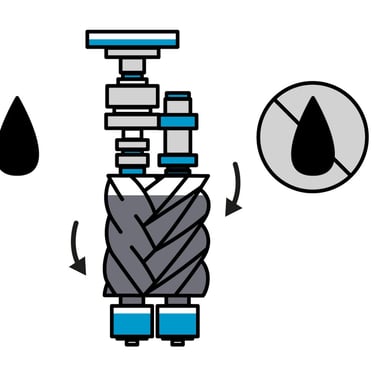
Oil-free compressors use alternative cooling and coating technologies instead of oil lubrication. As a result, they tend to have:
Higher initial investment cost
Slightly higher maintenance requirements due to increased friction
Guaranteed contamination-free compressed air
Understanding ISO 8573-1 Air Purity Classes
The ISO 8573-1 standard defines international classifications for compressed air quality based on:
Solid particles per cubic meter
Water content (humidity)
Oil concentration (aerosol, vapor, and liquid)
Air quality is classified from Class 0 (highest purity) to Class 5.
What is ISO Class 0 Air?
ISO Class 0 represents the highest air purity level. Compressors that meet this standard guarantee 100% oil-free air, with zero risk of contamination.
This level is required in sensitive applications such as:
Medical air systems
Food packaging and processing
Electronics manufacturing
Pharmaceutical production
It is important to understand the difference between:
Oil-free compressor technology (design of the machine)
Air purity class (quality of delivered air)
Some suppliers promote the term “technically oil-free”, referring to oil-injected compressors combined with heavy filtration. This does not equal ISO Class 0 and can create false expectations and potential risk.
For critical environments, always select a true ISO Class 0 certified oil-free compressor.
ISO Class 1 – “Technically Oil-Free” Air
ISO Class 1 limits oil concentration to 0.01 mg/m³ under defined conditions. This level can be achieved in oil-injected compressors using advanced filtration systems.
While acceptable for many industrial processes, it does not eliminate the possibility of oil vapor contamination. Therefore, it is not suitable for highly sensitive industries.
How to Choose Between Oil-Injected and Oil-Free Compressors
Your decision should be based on:
Required air purity level
Industry regulations and compliance standards
Sensitivity of end-use equipment or products
Total cost of ownership and maintenance
Compressor type (rotary screw, piston, VSD, fixed speed)
Air treatment system (filters, dryers, separators)
Both rotary screw compressors and piston compressors are available in oil-injected and oil-free configurations, including VSD energy-efficient models for reduced operating costs.
Final Recommendation
If your application allows minor treated oil traces, an oil-injected rotary screw compressor with proper air treatment offers excellent reliability and cost efficiency.
If your process cannot tolerate any risk of contamination, investing in an ISO Class 0 oil-free compressor is the safest and most professional solution.
Consulting a compressed air specialist before purchasing ensures the correct selection for your facility, protecting both your equipment and your product quality.
Our Services
Expert maintenance for compressors and vacuum pumps.
© 2026. All rights reserved.
contact info


important Links